
Health

Protecting lives, ensuring continuity of care

Hospitals, clinics, nursing homes, or laboratories: fire safety in healthcare facilities is a vital requirement.
Systems must protect patients, staff, and equipment while ensuring the continuity of care.

DEF designs, installs, and maintains fire safety solutions tailored to hospital environments, combining reliability, regulatory compliance, and seamless integration into facilities that are occupied 24 hours a day.

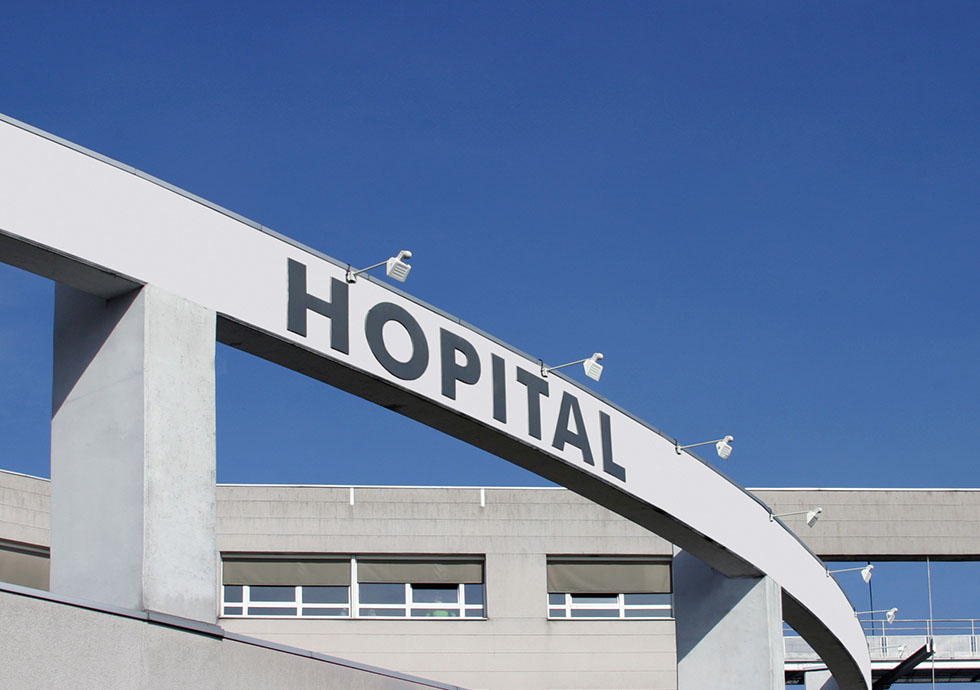
hopital protection incendie
  • Protect patients
  • protect staff
  • ensure continuity of care
:

A regulatory framework specific to healthcare facilities

Healthcare facilities are subject to particularly stringent fire safety regulations, due to the presence of vulnerable patients and the need to ensure continuity of care.

  • TEST12

    Safety regulations for public access buildings – Type U

    Decree of 25 June 1980, concerning protection against fire and panic hazards in public access buildings.
    It sets forth the requirements applicable to hospitals, clinics, nursing homes, and other healthcare facilities.

    Decree of 25 June 1980
  • TEST12

    Building and Housing Code

    Articles R.143-1 to R.143-47 concerning fire safety in public buildings.
    In particular, they set forth the requirements for the installation, operation, and inspection of fire safety systems.

    Articles R.143-1 to R.143-47
  • TEST12

    Delayed evacuation and horizontal safety measures

    In healthcare facilities, regulations call for the gradual relocation of patients to safe areas, often through horizontal transfer to protected areas.

    Delayed evacuation and horizontal safety measures
  • TEST12

    Periodic inspections of the fire safety system

    Fire safety systems must undergo regular inspections and periodic checks to ensure they are functioning properly.

    Periodic inspections of the fire safety system
  • TEST12

    APSAD Standards

    APSAD Standards R7, R13, and R17 govern fire detection systems, automatic fire suppression systems, and smoke exhaust systems.

    APSAD
  • TEST12

    Medical gas management

    Medical gas systems are subject to specific safety and monitoring requirements to prevent the risk of explosions or leaks.

    Medical gas management

The main fire hazards in the healthcare sector

An uncontrolled fire can result in: destruction of equipment, data loss, disruption of essential services, and enormous financial costs.

Electrical fire

Fire caused by an electrical fault in rooms, building sections, or utility rooms.

Smoke propagation

Rapid spread of smoke, the leading cause of death in hospitals.

Medical gases

Risks specific to medical gases and chemicals.

Overload

Electrical overload caused by the increasing number of biomedical devices.

SALLE CHAMBRE
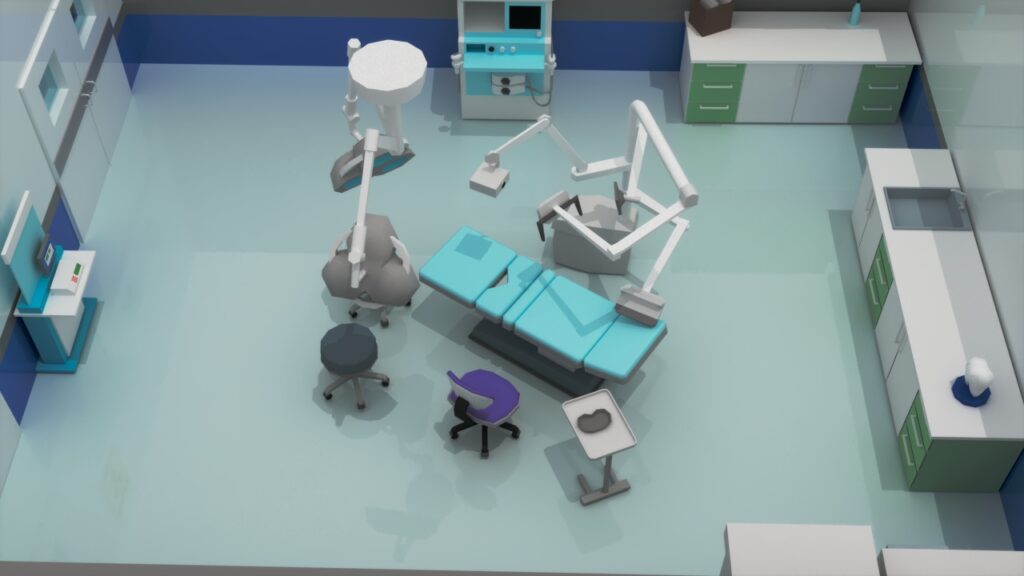
SALLE OPERATION
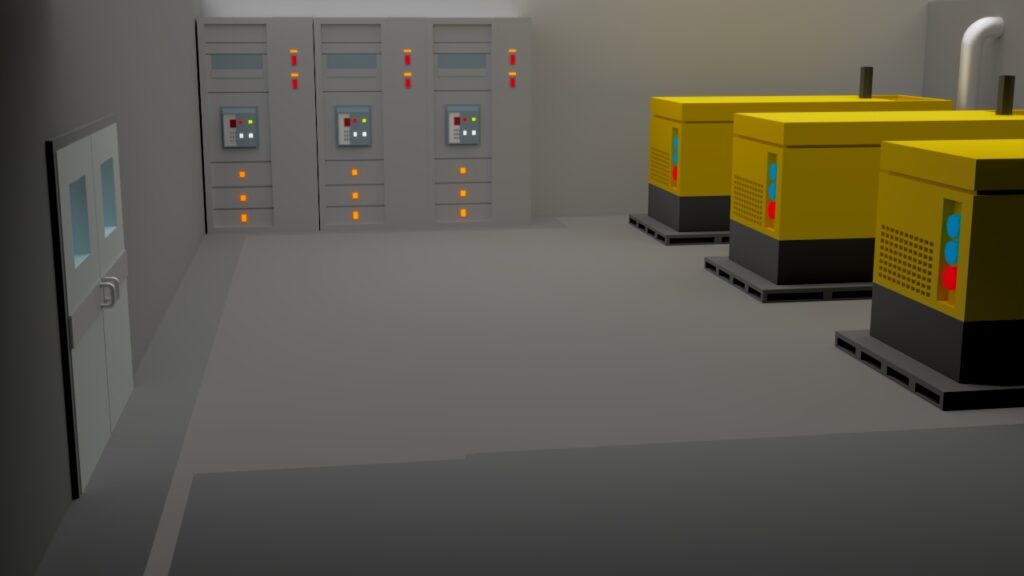
SALLE GROUPE ELECTROGENE
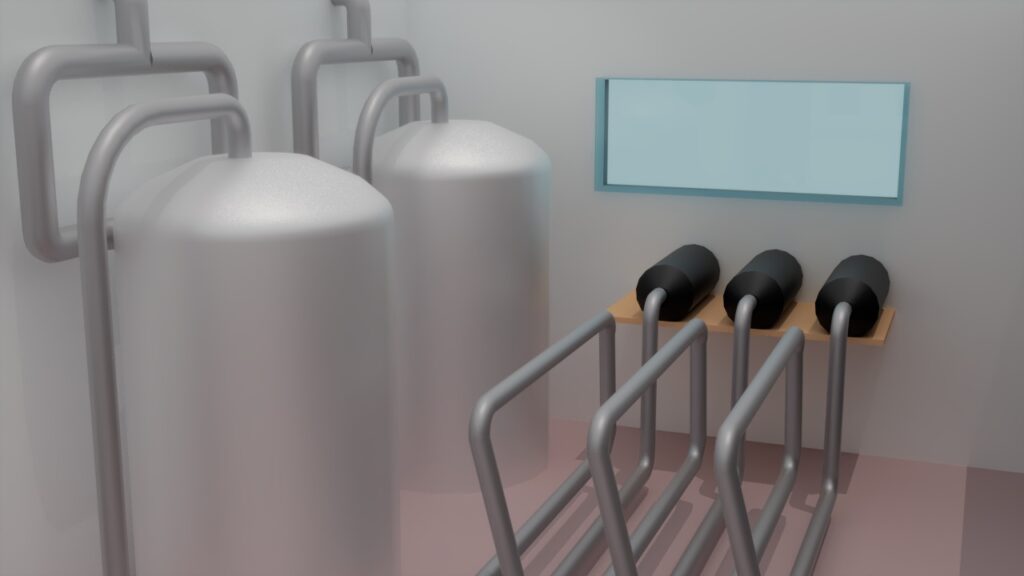
SALLE CHAUFFERIE
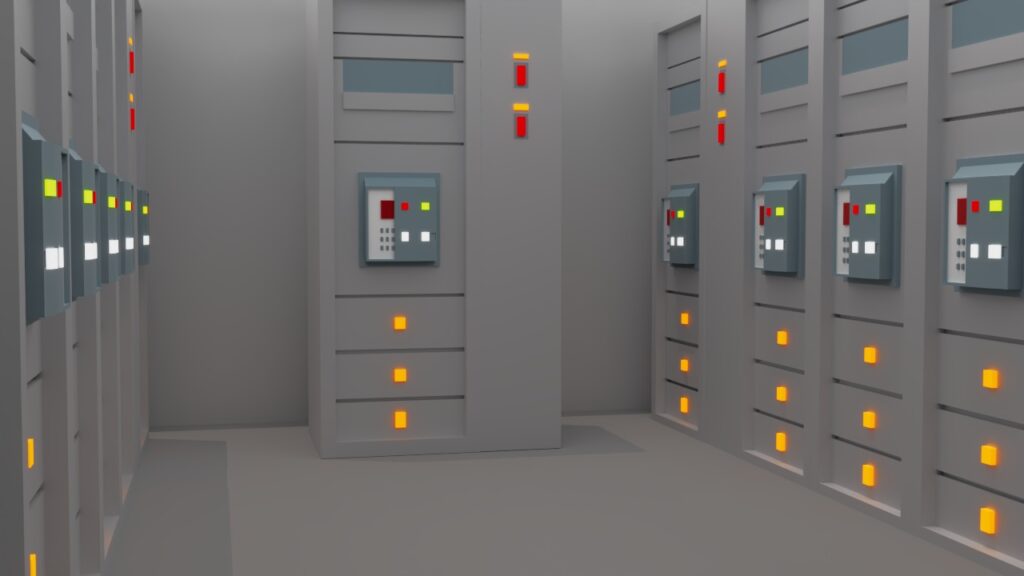
SALLE LOCALE TECHNIQUE

Patient rooms and inpatient units

  • Patient rooms and inpatient units
  • Operating rooms
  • Generators
  • Boiler rooms
  • Utility rooms

DEF

A few figures

  • 70 %
  • of deaths in hospitals are caused by smoke inhalation. 
  • 1 fire
  • outbreaks on average every week at a healthcare facility in France. 
  • Less than 5
  • minutes: the critical response time for ensuring patient safety. 
  • 2 regulatory inspections
  • per year are required for type U fire safety systems. 

Applied solutions

Healthcare facilities must balance maximum safety, continuity of care, and regulatory compliance.

DEF solutions meet these requirements while integrating seamlessly into complex hospital environments.

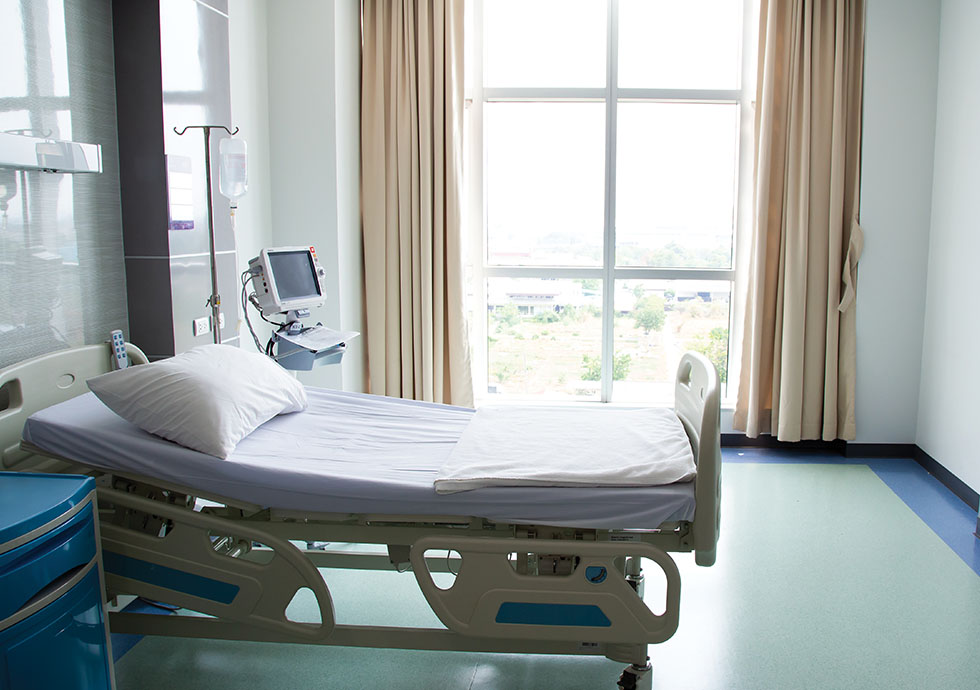
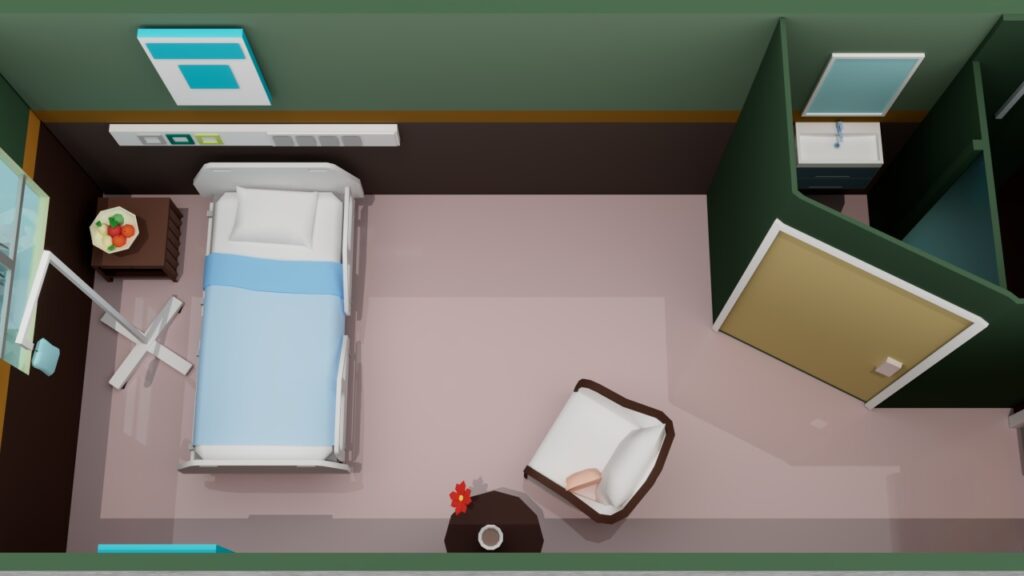
chambre hopital securite

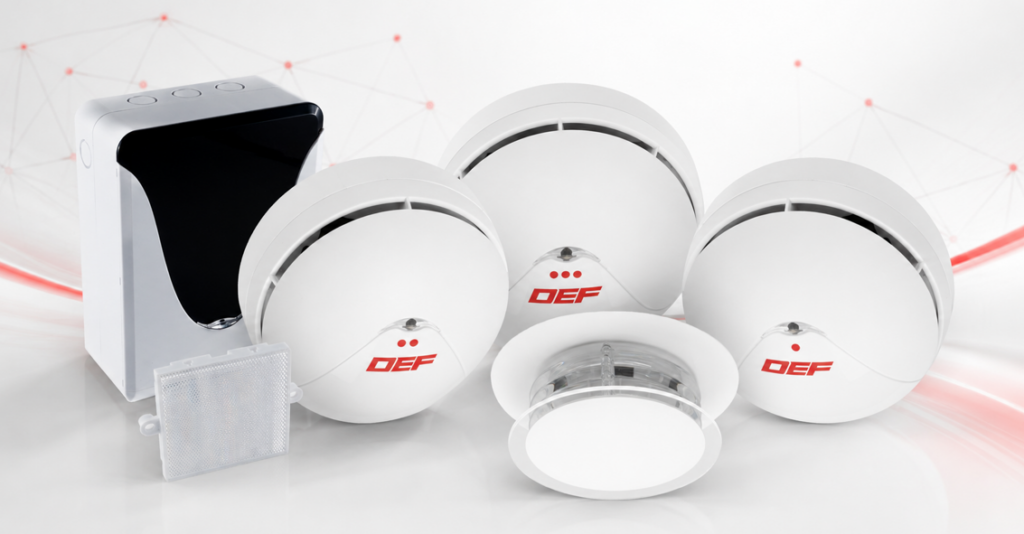
Fire detection systems designed for hospital environments

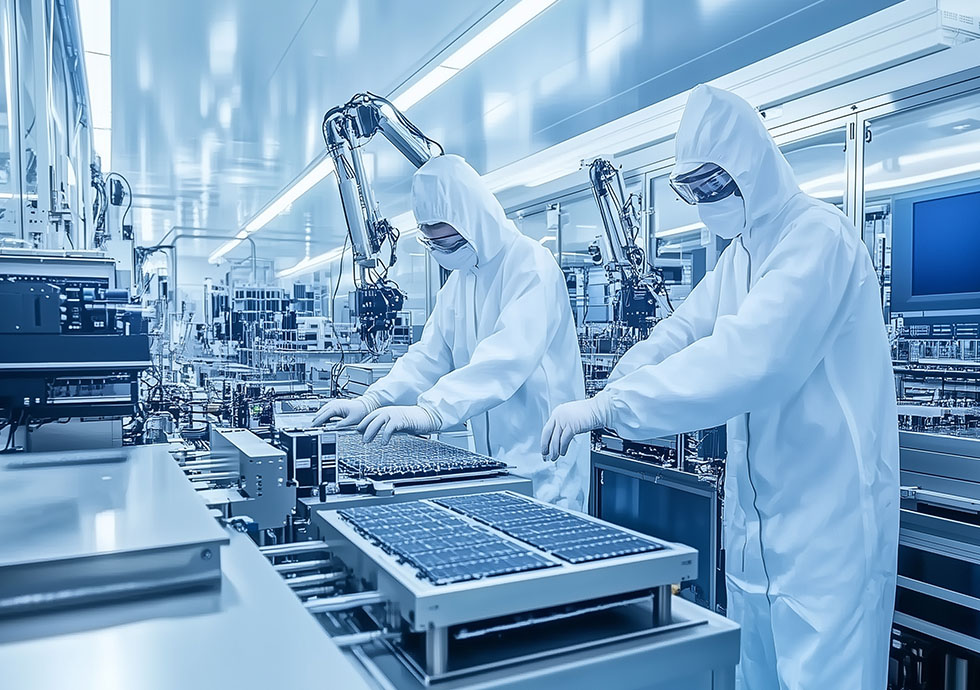
laboratoire surete

Automatic fire suppression for sensitive equipment

In technical or IT rooms, fire suppression systems must activate without damaging the equipment.

Gas or water mist fire suppression systems provide effective protection while minimising the impact on installations.

sante secteur

Safety public address systems and evacuation management

In hospitals, evacuation does not take place immediately but rather in stages, in order to take into account the patients’ condition and ensure continuity of care.


Safety public address systems allow for the broadcast of clear, tailored voice announcements to each area of the building, in order to coordinate the safety of occupants and assist teams in managing the evacuation.

sante etablissement

Centralised monitoring and management of the fire safety system

In healthcare facilities, fire safety systems are often spread across multiple buildings and technical departments.


Fire monitoring solutions allow for the centralisation of fire safety system data and make it easier for technical teams to manage installations.


The Fire360 platform allows users to track alarms, maintenance tasks, and service calls across the entire site.


To simplify day-to-day operations, the Mon SSI Facile service also allows users to view essential fire safety system information and notifications directly from a mobile device.

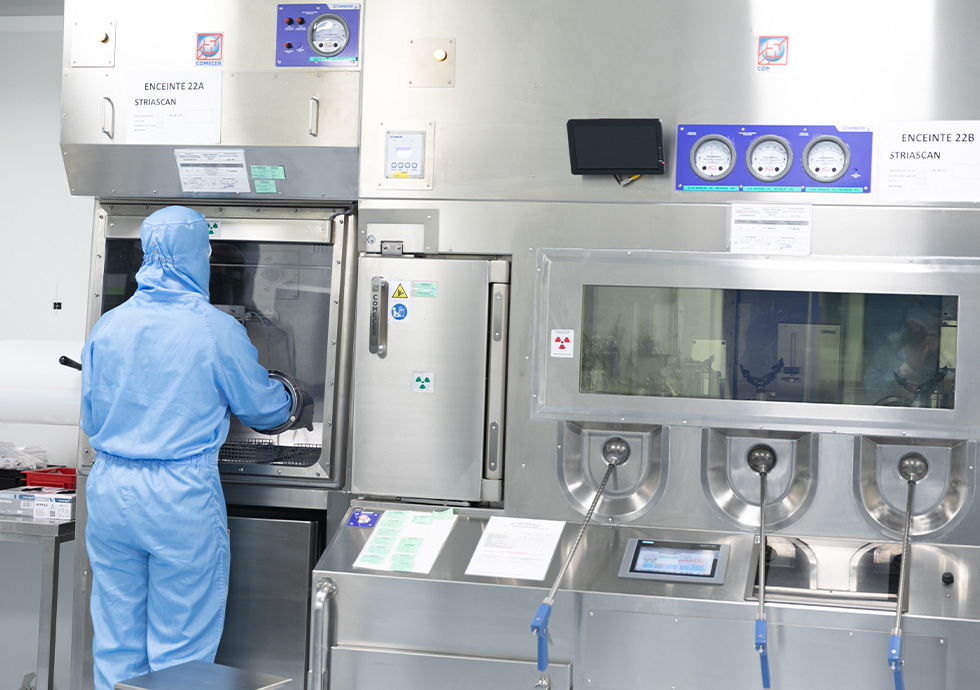
gaz sante

Medical gas safety

Healthcare facilities use medical gases that are essential for patient care on a daily basis (oxygen, nitrous oxide, medical air).


These installations require specific monitoring to prevent the risk of leaks or accidents.


Medical gas detection and monitoring solutions enable technical teams to be alerted quickly in the event of an anomaly and help secure the affected areas.

DEF

Discover our solution

Request customised support

Contact the DEF experts to have your systems assessed and identify the solutions best suited to your infrastructure.
Talk to an expert

DEF Assistant

DEF Assistant

Let’s talk about your project

The assistant is typing…

Answers generated by artificial intelligence from the DEF website’s content: please check important information with our teams. Do not share personal information.