DEF Marine

Anticipate maritime risks to ensure the safety of every mission, protect crews, and safeguard equipment

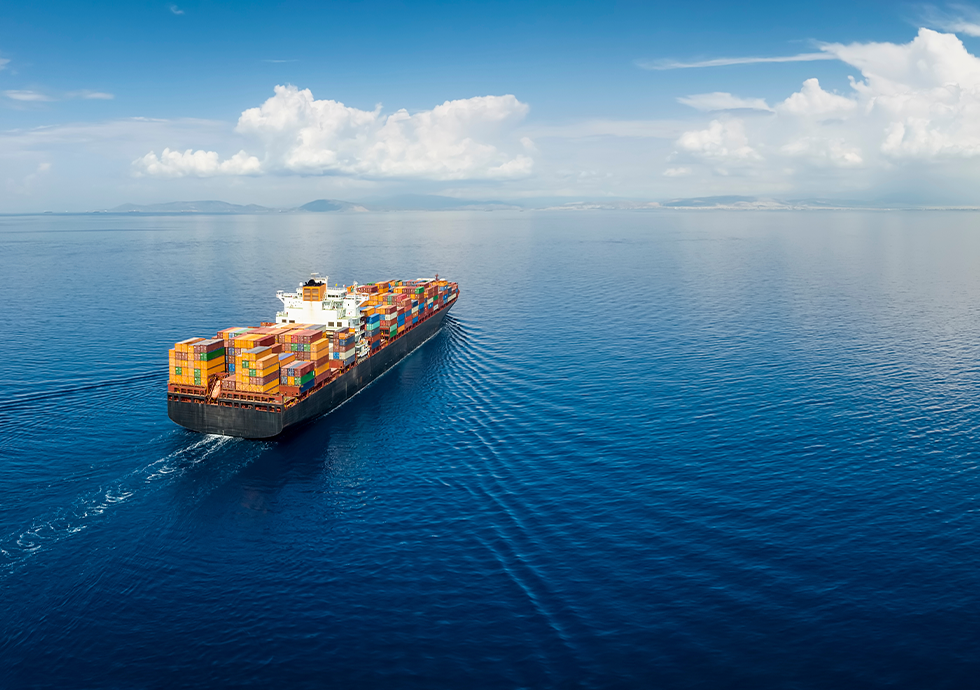
In the maritime sector—whether it involves ships or offshore wind platforms—fire safety is a critical issue.
The intense vibrations, salty atmosphere, and temperature fluctuations of the marine environment require the use of robust, reliable fire detection systems that comply with marine standards.
DEF MARINE supports military and civilian maritime stakeholders in the design, integration, and maintenance of systems tailored to the most demanding environments.
marine def protection
:

Strict standards tailored to maritime environments

Objective: ensure the safety of crews and the long-term reliability of installations, even under extreme conditions. 

Maritime sites and facilities are subject to a national and international regulatory framework: 

  • TEST12

    International Regulations (SOLAS / IMO)

    Establishes the minimum fire safety requirements applicable to all ships.

  • TEST12

    Classification societies (BV, DNV, LR, etc.)

    Translate international regulations into technical requirements and verify that ships comply with them.

  • TEST12

    Product standards and certifications (EN, MED, UL/FM)

    Ensure the performance, reliability, and compliance of fire safety equipment.

  • TEST12

    Operational safety (IEC 61508 / SIL)

    Defines the integrity levels required for critical systems in order to reduce the risk of failure.

  • TEST12

    Installation guidelines (I7, NFPA, GWO)

    Provide guidelines for best practices in the design, installation, and maintenance of fire protection systems.

The main fire hazards in the Marine sector

An uncontrolled fire on board can result in the loss of the vessel’s mobility, major property damage, disruption of operations, and significant costs.

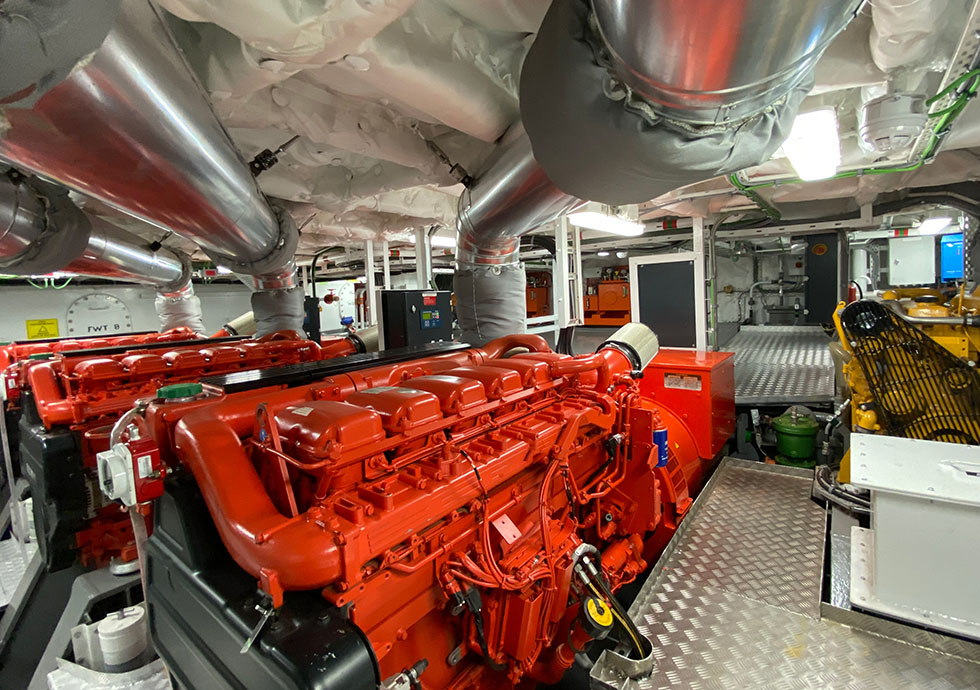
Fire in the engine compartment:

Significant risk associated with fuels, hot oils, and the high temperatures typical of engine rooms.

Electrical hazards and corrosion:

Moisture, sea spray, and corrosion can damage electrical cabinets and cause short circuits.

Confined spaces and rapid spread

The confined layout of the premises and the ventilation patterns contribute to the rapid spread of fire and smoke

Work on board and coactivity

Welding, cutting, and maintenance operations generate hot spots and increase the risk of fire.

Lithium-ion batteries and thermal runaway

Li-ion batteries used for onboard power or auxiliary equipment can overheat and cause a fire that is difficult to control

Data derived from experience and industry studies

These figures confirm that the sooner a problem is detected, the greater the safety.

  • 50 %
  • of marine fires start in the engine compartments.
  • 80 %
  • of incidents are made worse by late detection. 
  • 3 minutes
  • are enough for a fire to spread to several compartments. 
  • 90 %
  • of damage mitigation using low-pressure water mist. 
LOTCA gamme lota 80

MED & SIL2 Marine Fire Detection Solutions for Maximum Safety on Board

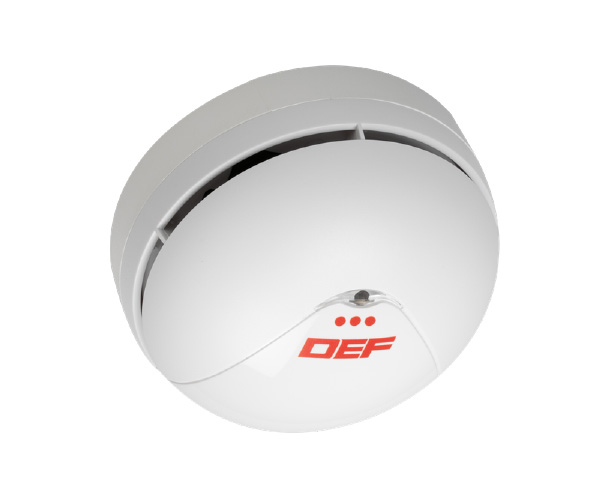
The LOTA Marine product line offers several smart multi-sensor detectors that can detect smoke, heat, and carbon monoxide, and are capable of adapting their algorithms to the environment.

Each detector features a 360° indicator, a built-in isolator, and an alarm memory, providing a reliable, flexible solution optimised for effective fire detection under all conditions.

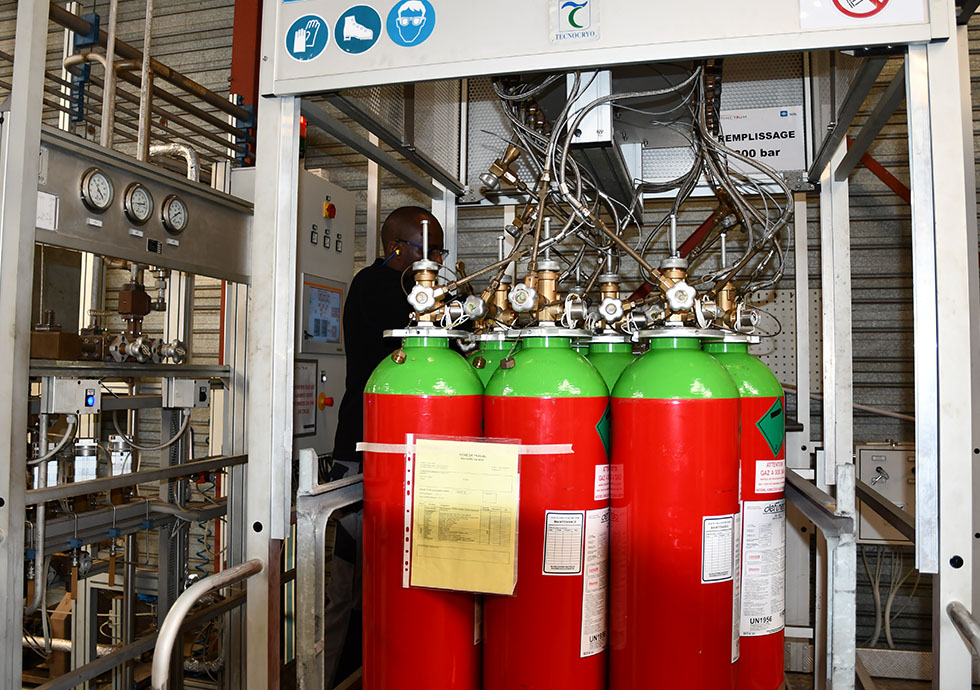
extinction gaz inertes

Fire suppression solutions tailored to the maritime environment

Low-pressure water mist controls heat in engine compartments, and inert gas protects technical and electronic areas without interfering with onboard equipment.

bateau local

Protection of offshore transformers using compressed air foam

Thanks to its strong adhesion and ability to instantly smother flames, compressed air foam protects transformers in offshore substations, ensuring uninterrupted service at wind farms.

terminal conteneurs

Hydrogen detection: a key component for battery rooms

By detecting hydrogen leaks as soon as they occur, the system prevents explosive atmospheres and protects critical equipment, even in confined or complex ventilation environments.

Video

Discover our solution

DEF marine

Our specific cases

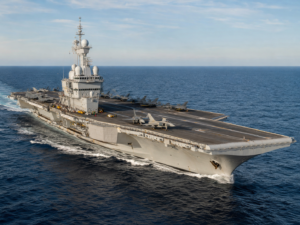
  • charles de gaule navire detection incendie

    Floating vessel

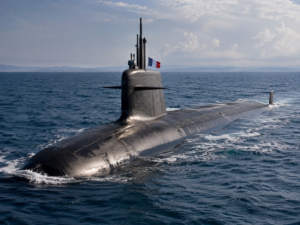
  • sous marin detection incendie

    Submarine

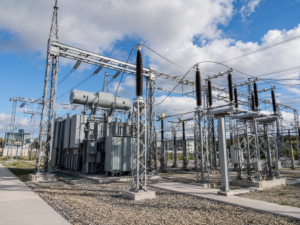
  • sous station def marine detection incendie

    Electric substation

Request customised support

DEF offers personalised support at every stage of your fire safety project.
Request an appointment

DEF Assistant

DEF Assistant

Let’s talk about your project

The assistant is typing…

Answers generated by artificial intelligence from the DEF website’s content: please check important information with our teams. Do not share personal information.